Paying for Inmate Telephone Access in Salinas: Complete Financial and Operational Guide
Maintaining reliable communication with someone inside a correctional facility requires a clear understanding of specialized telecommunications operations. In Salinas, California, managing phone communication involves navigating specific county policies, third-party vendor interfaces, state regulations, and distinct account funding mechanisms. Whether an individual is housed at the Monterey County Adult Detention Facility on Natividad Road or in a regional facility near the Salinas area, the process of receiving calls depends on setting up and funding approved account types.
Securing telephone access requires navigating financial administrative systems. Correctional facilities do not operate standard residential or commercial phone lines. Instead, calls are managed through specialized secure platforms that handle call routing, automated recording, security screening, and payment processing. Understanding how these systems function, how rates are regulated, and how to successfully fund phone accounts ensures uninterrupted contact while preventing unnecessary transaction fees or service disruptions.
County Jails vs. State Prisons in the Salinas Area
When arranging telephone access in the Salinas region, establishing the exact jurisdiction of the facility holding the inmate is necessary. Operational rules, payment vendors, and financial obligations vary significantly between local county detention centers and California state prisons.
Monterey County Adult Detention Facility (Salinas)
Located at 1414 Natividad Road in Salinas, the Monterey County Adult Detention Facility operates under the authority of the Monterey County Sheriff’s Office. This facility houses individuals awaiting trial, serving short-term county sentences, or held for local law enforcement agencies.
Telephone operations within the county jail are contracted out to private inmate telecommunication providers. Friends, family members, or legal representatives must establish prepaid accounts directly with the contracted county vendor or deposit money into the inmate’s trust fund to allow outgoing calls.
State Correctional Facilities Near Salinas
In contrast to the county jail system, state facilities such as Salinas Valley State Prison (SVSP) and the Correctional Training Facility (CTF) in nearby Soledad operate under the California Department of Corrections and Rehabilitation (CDCR).
Under California legislation (Senate Bill 1008, known as the Keep Families Connected Act), voice communication services for incarcerated individuals in California state prisons are provided at no cost to the inmate or their called party. However, local county detention centers—including the Monterey County Jail in Salinas—operate under local government jurisdiction and county-level service contracts, where funding mechanisms for specialized phone services and supplementary account features still apply.
Authorized Telecom Vendors Servicing Salinas Detention Centers
Correctional facilities in Salinas do not allow direct billing to standard telephone service providers like AT&T, Verizon, or T-Mobile. Instead, access is mediated by specialized corrections telecommunication vendors. In Monterey County, companies such as ViaPath Technologies (formerly GTL/Global Tel Link), Securus Technologies, or IC Solutions have historically held contracts to manage facility hardware, network security, and payment processing.
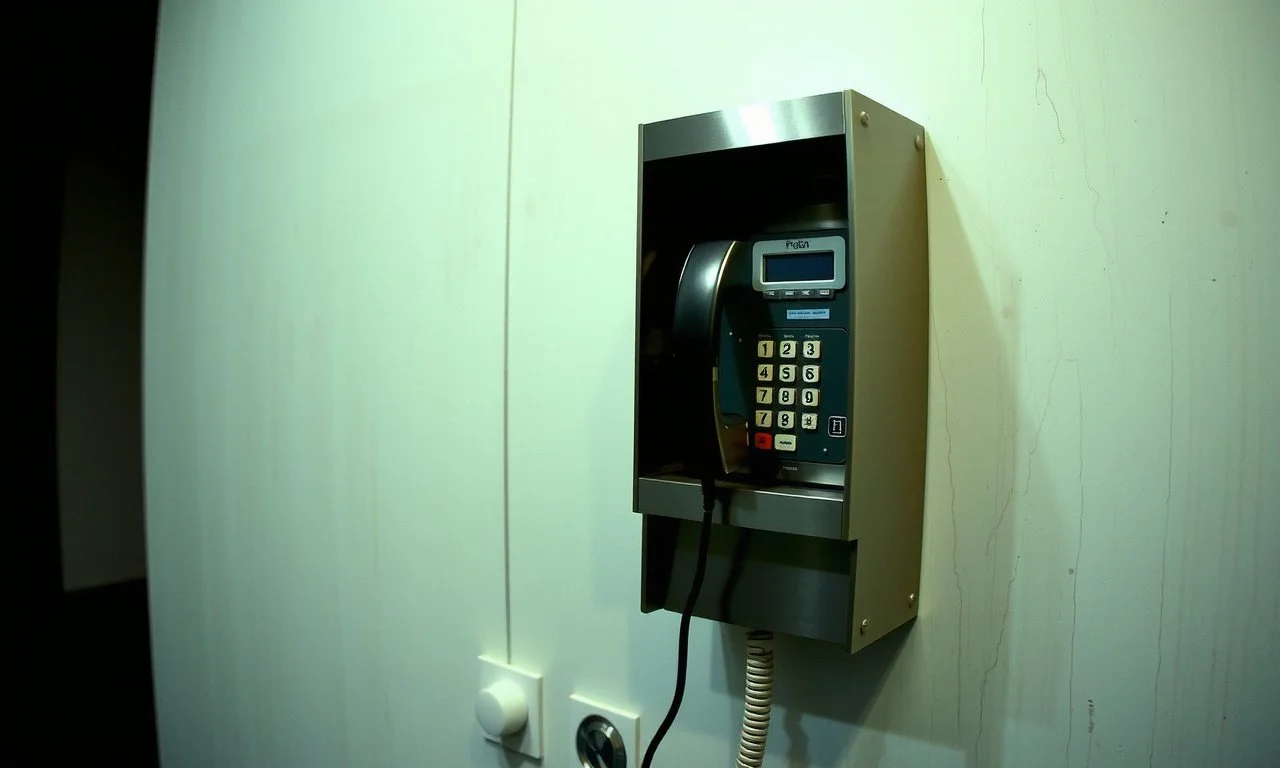
These service providers install specialized, tamper-resistant calling stations within housing units. The automated systems require inmates to enter a unique Personal Identification Number (PIN) or Booking ID, state their name for voice verification, and select the payment method before a call can be connected.
To receive calls on a mobile phone or landline from the Salinas detention facility, the recipient’s phone number must be registered and verified within the designated vendor’s database. Unregistered numbers or numbers flagged for billing security issues are automatically blocked by the system until an active payment structure is established.
Primary Payment Options for Inmate Calling Accounts
Paying for inmate telephone access in Salinas involves choosing between two primary funding structures: funding the recipient’s phone line directly (AdvancePay/Prepaid) or funding the inmate’s internal facility account (Inmate Trust Account).
1. Prepaid / AdvancePay Phone Accounts
A prepaid account is the most common method used by family members and attorneys. In this arrangement, the telephone recipient creates an account associated with their own specific telephone number through the correctional facility’s contracted vendor.
Financial Control: Funds deposited into a prepaid account are linked exclusively to the recipient’s phone number. The inmate can only use those funds to call that specific number.
Immediate Availability: Once funds are cleared online or over the phone, the system updates immediately, allowing calls to connect as soon as the inmate initiates contact from the housing unit.
Budgeting Management: The account holder controls how much money is added, preventing unexpected high balances associated with legacy collect calling arrangements.
2. Inmate Trust / Commissary Phone Accounts
An alternative method involves placing money directly into the inmate’s facility trust account (often managed through specialized commissary deposit vendors such as TouchPay, Access Corrections, or JPay).
Inmate Autonomy: Funds placed in a trust account belong to the incarcerated individual. The inmate can transfer these funds to purchase phone credits (PIN debit) or buy items from the facility commissary.
Flexibility: When an inmate uses PIN debit credits to make a call, they can call any approved, unblocked phone number, rather than being restricted to a single funded family number.
Processing Rules: Deposits into trust accounts are subject to administrative processing schedules maintained by the Monterey County Jail business office.
3. Traditional Collect Calling
Legacy collect calling options allow an inmate to place a call where the recipient agrees to accept the charges on their standard monthly telephone bill. However, major wireless carriers (such as Verizon, AT&T, and T-Mobile) no longer support traditional collect billing on standard cell phone plans. As a result, collect calling is generally restricted to traditional landlines or specialized advance-pay collect billing accounts established through the facility’s telecom vendor.
Step-by-Step Instructions: Funding a Phone Account in Salinas
Successfully funding an account for phone access requires accurate information and precise execution. Following a structured procedure prevents administrative delays and transaction errors.
Step 1: Gather Mandatory Inmate and Facility Information
Before attempting to register or deposit funds, obtain the precise identifying details of the incarcerated individual:
Full legal name (spelled accurately according to facility records).
Date of birth.
Inmate Booking Number or Main Identification Number (assigned by the Monterey County Sheriff’s Office during intake).
Current housing unit assignment within the Natividad Road facility (if required by the specific payment channel).
Step 2: Identify the Active Telecom Vendor
Verify which vendor currently manages the inmate phone contract for the Monterey County Adult Detention Facility. Official information can be confirmed by checking the Monterey County Sheriff’s Office official web portal or contacting the facility’s public information unit.
Step 3: Register a User Account
Navigate to the designated vendor’s official website or mobile application:
Create a user profile using an active email address and valid physical residential address.
Provide the primary telephone number where calls from the Salinas facility will be received.
Complete the mandatory phone number verification process, which usually involves entering a security code sent via SMS or automated phone call.
Step 4: Select a Payment Method and Deposit Funds
Choose from available deposit channels:
Online Web Portal: Enter credit or debit card details for instant processing.
Automated Interactive Voice Response (IVR) Phone Line: Call the vendor’s toll-free payment number and follow the voice prompts to submit card details.
Lobby Kiosk: Visit the Monterey County Jail public lobby in Salinas. On-site kiosks accept cash, debit cards, and credit cards. Kiosk deposits reflect quickly on the system.
Retail Walk-In Locations: Certain vendors partner with national retail transfer networks (such as Western Union or MoneyGram) allowing cash deposits using a specific facility code.
Regulations, Rates, and Mandatory Fee Caps
The cost of inmate telephone access in Salinas is subject to strict regulatory oversight established by federal and state governing bodies. Historically, inmate telephone services faced criticism for high rates and excessive secondary fees. Recent legal interventions have established clear pricing parameters.
Federal Communications Commission (FCC) Regulations
The FCC regulates interstate (state-to-state) and international inmate calling rates, while establishing strict guidelines for intrastate (within California) caps:
Per-Minute Rate Caps: Telecommunications providers servicing correctional facilities are bound by maximum per-minute statutory limits. Rates typically range between $0.06 and $0.14 per minute for audio calls in local county jail facilities, depending on average daily population metrics.
Prohibition of Hidden Fees: Regulatory rules strictly limit administrative fees associated with funding accounts. Automated payment fees, live agent assistance fees, and paper statement fees are capped or eliminated altogether under updated FCC rules.
California State Legislation and Local County Contracts
In California, legislative measures continue to reform correctional communications:
State law prohibits local facilities from receiving excessive financial kickbacks (commissions) on phone services, which historically drove up per-minute consumer costs.
Contracts negotiated by the Monterey County Board of Supervisors emphasize low per-minute rates while ensuring high system security, voice analysis tools, and clear monitoring systems required by local law enforcement.
Common Transaction Fees to Anticipate
While per-minute calling rates are capped, account holders should account for standard operational fees:
Web/Automated Deposit Fee: A flat fee (typically ranging between $1.50 and $3.00 per transaction) applied when funding a prepaid account online or via phone.
Live Agent Fee: Higher fees applied if a transaction is completed through a customer service representative rather than an automated system.
Refund Administrative Fees: Charges assessed if an account is closed and remaining prepaid balances are refunded.
Technical and Security Rules for Receiving Inmate Calls
Paying for inmate telephone access in Salinas guarantees the availability of account funds, but calls remain contingent upon strict institutional security compliance. Violating facility phone rules results in immediate automated call termination or permanent number blocks.
Prohibited Call Behaviors
All calls originating from the Monterey County Adult Detention Facility are subject to monitoring and recording, except for privileged communications with legal counsel that have been formally registered with the facility. The automated security monitoring software actively listens for technical triggers that signal policy breaches:
Three-Way Calling and Call Merging: The automated network detects line interruptions, extra audio clicks, or secondary dial tones. Merging an inmate call with a third party is strictly prohibited and results in instant disconnection.
Call Forwarding: Forwarding calls from the registered destination number to another telephone line triggers automated security drop-offs.
Using Speakerphone in Noisy Environments: Background noise, radio chatter, or secondary voices talking over the primary recipient can trip automated algorithms, causing the system to misidentify a multi-party call and terminate the line.
Call Waiting Alerts: Incoming call waiting tones on cell phones can disrupt the audio signal processing, leading the system to drop the connection.
Unblocking Phone Numbers
If a phone number is automatically blocked due to a suspected line breach, a security flag, or an unpaid balance, the account holder must contact the facility’s third-party vendor support line. Clearing a security block requires confirming account ownership, providing proof of cellular billing statements, and re-verifying identity details.
Troubleshooting Common Payment and Connection Problems
Navigating correctional communications often involves technical or administrative hurdles. Understanding how to address these common issues efficiently saves time and prevents communication interruptions.
Issue 1: Payment Processed but Calls Still Blocked
Cause: The payment was deposited into an Inmate Trust Account instead of an AdvancePay/Prepaid account, or the phone number requires manual verification.
Solution: Check the transaction receipt to confirm account type. If funded correctly as AdvancePay, contact vendor customer support to confirm that the destination phone number does not have a local carrier restriction.
Issue 2: Immediate Disconnection Upon Answering
Cause: Automated voice response systems on cell phones (such as customized voicemail greetings, spam filtering apps, or silence detection features) can trigger system disconnects before the acceptance prompt is pressed.
Solution: Disable call-screening apps (such as Google Call Screen or carrier-level spam blocking tools) on the receiving handset. Ensure the acceptance key (typically pressing “1”) is pressed clearly once prompted.
Issue 3: Inmate Account Balance Draining Unexpectedly
Cause: Inmates may inadvertently use trust funds for alternative facility services (commissary items, medical co-pays, or digital messaging) if funds are not held in a restricted prepaid account.
Solution: Transition to a dedicated Prepaid/AdvancePay account tied strictly to your registered phone number, preventing funds from being spent on non-telecom items.
Frequently Asked Questions (FAQ)
How do I know which vendor handles phone calls for the Monterey County Jail in Salinas?
The designated telecom vendor is managed under a contract with the Monterey County Sheriff’s Office. Vendor details are listed on the official Monterey County Sheriff’s Office website under the Adult Detention Facility information page, or displayed in the public lobby of the facility at 1414 Natividad Road.
Can an inmate in Salinas call a cell phone directly?
Yes, inmates can call mobile phones, provided the receiving mobile number is registered with an active prepaid account through the facility’s contracted vendor, or if the inmate uses PIN debit funds from their facility trust account.
Are calls from state facilities in Salinas free?
Calls originating from California state prisons—such as Salinas Valley State Prison (SVSP)—are free under California Senate Bill 1008. However, county jail facilities, such as the Monterey County Adult Detention Facility in Salinas, operate under county jurisdiction where specialized prepaid accounts and transaction rules apply.
What happens to leftover funds in my prepaid account if the inmate is released?
Account holders can request a refund of unspent funds directly from the contracted telecom vendor. Refund requests can typically be submitted online or through customer service. Inactive account policies vary, so requesting refunds promptly upon an inmate’s release prevents account inactivity fees.
Why do I hear a recorded message during my call from the jail?
Correctional telecommunication networks play periodic voice prompts informing both parties that the call is originating from a correctional facility and is subject to recording and monitoring. These announcements are standard automated security measures.
Can legal representatives establish private, unrecorded lines?
Yes, defense attorneys and legal representatives must register their office phone numbers directly with the facility’s administration and the telecom vendor. Once verified, legal lines are designated as privileged and excluded from administrative recording systems.
Can I set up a local phone number to lower call rates?
Modern FCC regulations have standardized per-minute rates across local, long-distance, and interstate calls, eliminating the cost advantage previously gained by purchasing local virtual phone numbers. Setting up virtual numbers can actually trigger fraud algorithms, leading to automated call blocks.
What is the maximum length of a single phone call from the Salinas county jail?
Most calls from the Monterey County Adult Detention Facility are capped at a specific duration—typically 15 minutes per call—to ensure equal telephone access for all inmates within a housing unit. The system plays a warning tone before automatically terminating the call at the time limit.
Practical Recommendations for Managing Phone Access Costs
Establishing an efficient, reliable communication link with someone housed in a Salinas correctional facility requires a combination of structured financial management, technical awareness, and strict adherence to facility guidelines.
To maintain clear and uninterrupted voice contact while managing overall expenses, keep the following strategic practices in mind:
Select the Right Account Type: Use a Prepaid/AdvancePay account if you wish to retain complete control over call spending for your specific phone number. Use Inmate Trust deposits if the inmate needs the flexibility to contact multiple parties, such as legal counsel, family members, and employment representatives.
Consolidate Deposits to Reduce Fees: Transaction fees apply each time funds are added to an account. Making fewer, larger deposits rather than frequent small transfers minimizes the total amount spent on administrative service charges over time.
Keep Handset Settings Optimized: Disable call screening apps, turn off call waiting where possible, and avoid using speakerphone in loud environments to prevent automated security systems from falsely detecting multi-party calls and dropping the connection.
Monitor Account Activity Regularly: Check online account portals monthly to track per-minute usage, verify transaction histories, and ensure that inactive account fees are not assessed during periods of reduced contact.
Promptly Request Balance Refunds: Upon the inmate’s transfer or release, immediately log into the payment portal to close the account and request a refund of any remaining balance to prevent funds from lapsing due to account inactivity rules.
By systematically applying these guidelines, family members, legal representatives, and supporters can maintain open lines of communication, minimize administrative friction, and eliminate unnecessary costs when paying for inmate telephone access in Salinas.
