Items Prohibited During Jail Visitation in Monterey County: Complete Rules, Dress Code, and Security Protocols
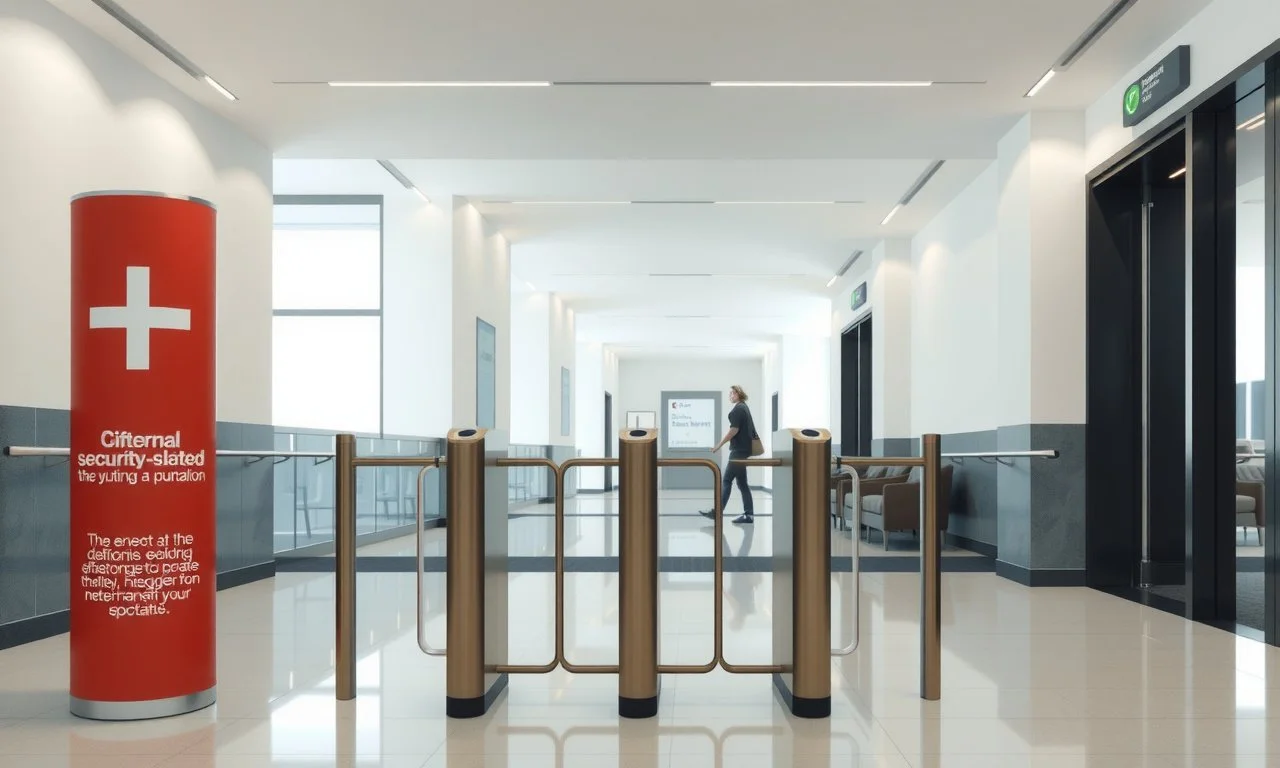
Visiting an incarcerated family member or loved one at the Monterey County Adult Detention Facility in Salinas, California, requires careful planning and strict adherence to institutional regulations. Facility administration maintains rigorous security protocols designed to protect staff, visitors, and the inmate population. Central to these security measures is a comprehensive list of restricted items and attire that are strictly banned from the visitation center.
Navigating jail visitation guidelines can feel complex, particularly for first-time visitors. A single minor oversight—such as wearing the wrong type of clothing, carrying a forgotten pocketknife on a keychain, or bringing a smartphone past the security checkpoint—can lead to denied entry, cancellation of visiting privileges, or even criminal prosecution under California state law.
Understanding the full scope of items prohibited during jail visitation in Monterey County helps ensure a seamless, respectful, and hassle-free visit. This exhaustive guide provides an in-depth breakdown of contraband laws, restricted personal items, dress code requirements, child care item allowances, and step-by-step procedures for clearing facility security checkpoints.
Regulatory Framework and Legal Definitions of Contraband
The regulations governing visitation at the Monterey County Jail are grounded in both California state statutes and local facility operations orders enforced by the Monterey County Sheriff’s Office. Detention facilities operate under high-security mandates where security integrity must be preserved at all times.
California Penal Code Section 4573 Enforcement
Under California law, bringing unauthorized items into a correctional facility is not merely a violation of house rules; it is frequently a felony offense.
California Penal Code 4573: Makes it a felony to bring controlled substances, illegal drugs, or narcotics into any state prison or county jail facility.
California Penal Code 4573.5: Prohibits bringing unauthorized alcoholic beverages or drugs other than controlled substances into correctional centers.
California Penal Code 4574: Makes it a severe criminal offense to bring firearms, deadly weapons, explosives, or tear gas onto jail grounds.
Facility authorities conduct active monitoring and random inspections. Intentionally or unintentionally attempting to pass unauthorized items through security checkpoints triggers immediate law enforcement intervention, potential arrest, and long-term revocation of visitation privileges.
Complete List of Prohibited Personal Items
When preparing to visit the Monterey County Adult Detention Facility, the general standard to follow is that almost no personal property is permitted inside the actual visitation area. Visitors must leave personal belongings inside their locked vehicles or utilize available storage lockers in the facility lobby prior to queuing for security processing.
Electronics and Communication Devices
Modern technology represents one of the most significant security concerns for correctional administrators. Wireless signals, recording capabilities, and unauthorized photography present direct threats to facility safety and individual privacy rights.
The following electronic items are strictly prohibited inside the visitation area:
Cellular phones and smartphones: Mobile devices must remain turned off and locked outside the secure perimeter. Attempting to hide a phone inside a pocket or purse results in instant expulsion.
Smartwatches and fitness trackers: Devices with Bluetooth, cellular connectivity, Wi-Fi, or audio recording functions are completely banned.
Cameras and video recording equipment: Any dedicated camera, camcorder, or action recording device is forbidden.
Audio recording equipment: Voice recorders, dictation devices, and external microphones cannot be brought past the lobby.
E-readers, tablets, and laptops: Personal computing devices, iPads, Kindles, and handheld gaming systems are prohibited.
Headphones and earplugs: Bluetooth earbuds, wired headphones, and noise-canceling headsets are not permitted.
Power banks and charging cables: External batteries, wall bricks, and USB cables are classified as potential security hazards.
Bags, Containers, and Carrying Gear
Visitors often carry daily items in purses or backpacks, but these items are not allowed inside the visitation rooms under any circumstances.
Handbags, purses, and clutches: All form factors of women’s and men’s personal bags must be stored outside the facility.
Backpacks, duffel bags, and briefcases: Storage bags are strictly barred from processing lines.
Wallets with attached chains: Wallets must be removed from long metal chains or lanyards before entering.
Fanny packs and belt bags: Waist bags cannot be worn into the visitation area.
Currency, Financial Instruments, and Identification Supplies
While valid government-issued identification is required to verify identity at check-in, excess financial items are considered contraband past the check-in desk.
Excess cash and loose coins: Large sums of paper money or loose change are prohibited inside the visiting room.
Credit cards, debit cards, and checkbooks: Beyond the initial check-in verification area, loose financial cards should remain stored securely in lobby lockers or vehicles.
Gift cards and financial vouchers: Physical cards containing monetary value cannot be brought inside.
Prohibited Weapons, Tools, and Physical Safety Risks
Correctional facilities maintain zero-tolerance policies regarding any object that could potentially be utilized as a weapon, escape tool, or mechanism to compromise physical safety structures.
Direct and Potential Weapons
Firearms and ammunition: Handguns, rifles, shotguns, spare magazines, and loose ammunition are strictly prohibited on all county detention property, including parking lots and lobby areas, unless carried by active, on-duty law enforcement officers with authorization.
Knives and cutting implements: Pocketknives, utility knives, box cutters, razors, multi-tools, and swiss army knives are forbidden regardless of blade length.
Self-defense sprays: Pepper spray, mace, chemical irritants, and stun guns/Tasers are strictly prohibited.
Impact weapons: Nightsticks, brass knuckles, heavy batons, and tactical flashlights are not allowed.
Tools and Everyday Hardware
Items standard in everyday utility work present severe security risks inside detention environments.
Screwdrivers, pliers, and wrenches: Hand tools of any size or classification.
Scissors and craft blades: Office supplies, nail scissors, and sewing implements.
Wire and rope: Paracord, metal wire, zipties, heavy string, and duct tape.
Keychains with utility attachments: Keyrings containing small tools, bottle openers, glass breakers, or heavy metal ornaments must be stripped down to single essential keys.
Restricted Substances, Chemical Goods, and Food Items
Maintaining a clean, safe, and controlled environment requires eliminating all outside consumables and chemical formulations from entering the housing units and visiting pods.
Controlled Goods, Alcohol, and Tobacco
Monterey County facilities enforce completely tobacco-free and drug-free grounds.
Tobacco products: Cigarettes, cigars, pipe tobacco, chewing tobacco, and dip pouches are barred.
Vaping equipment: E-cigarettes, vape pens, pod mods, liquid refills, and heating coils are entirely prohibited.
Alcoholic beverages: Beer, wine, spirits, and alcohol-infused consumables are strictly banned under state law.
Cannabis and CBD products: Despite state-level legalization in California, cannabis, THC edibles, vape cartridges, and topical CBD creams remain strictly illegal federal/facility contraband on correctional grounds.
Medications and Health Supplies
Visitors who require essential medication during their trip must prepare according to strict protocols.
Over-the-counter (OTC) medications: Pain relievers, allergy pills, antacids, and cough drops are prohibited in the visiting area.
Unlabeled prescription drugs: Loose pills in unlabeled containers or pill organizers are banned.
Inhalers and epi-pens: Essential emergency medical devices must be declared immediately to security staff upon arrival for specialized evaluation and clearance.
Food, Drinks, and Outside Containers
Food items are prohibited from entering the visitation space to maintain sanitation and prevent the concealment of contraband inside food items.
Outside food and snacks: Fast food, homemade meals, chips, candy, and fruit cannot be brought into the visiting center.
Beverages: Bottled water, sodas, coffee cups, juices, and sports drinks are banned past the security desk.
Chewing gum and mints: Packaged or open gum and breath mints are prohibited inside the processing room.
Thermoses and tumblers: Insulated travel mugs, metal water bottles, and glass containers must remain in vehicles.
Detailed Dress Code Regulations as Prohibited Items
In correctional environments, clothing choices are strictly regulated. Attire that poses a safety concern, demonstrates potential gang affiliation, or exposes excessive skin is categorized under non-compliant visitation items and will result in immediate refusal of entry.
Revealing and Inappropriate Clothing
Visitors must wear conservative, modest clothing. The following apparel items are explicitly banned:
Tops revealing midriffs or cleavages: Crop tops, halter tops, tube tops, and low-cut blouses.
Sheer or see-through materials: Mesh shirts, transparent lace tops, and thin fabrics that reveal undergarments.
Short skirts and dresses: Hemlines that fall significantly above the knee are non-compliant.
Short shorts: Running shorts, athletic cutoffs, and booty shorts are disallowed.
Tank tops and sleeveless shirts: Sleeveless undershirts, muscle tanks, and spaghetti-strap tops are prohibited.
Spandex and skin-tight attire: Form-fitting yoga pants, leggings worn without a long top covering the hips, and compression wear may be rejected based on staff assessment.
Gang-Related Clothing and Inappropriate Emblems
To prevent conflict and maintain neutral space, Monterey County enforces strict bans on gang identification markers and offensive imagery.
Gang colors and insignias: Clothing, jackets, or headwear displaying clear gang associations, sports team logos associated with local gang factions, or street culture symbols.
Attire with offensive graphics: T-shirts or jackets displaying profanity, racial slurs, depictions of violence, drug imagery, or anti-law enforcement slogans.
Bandanas and handkerchiefs: Hanging bandanas in back pockets or tied around the head, wrist, or neck.
Headwear, Footwear, and Outerwear Restrictions
Hats and caps: Baseball caps, beanies, sun hats, and visors must be removed before entering the processing center. Religious head coverings (such as hijabs or turbans) are permitted but subject to non-intrusive security screening.
Sunglasses: Darkened glasses cannot be worn indoors unless backed by a documented medical prescription.
Open-toed footwear and flip-flops: Bare feet, shower slides, flip-flops, and backless sandals are prohibited due to safety requirements. Sturdy, closed-toe shoes or secured sandals are recommended.
Heavy winter coats and bulky outerwear: Oversized puffy jackets, long trench coats, and heavy parkas must be hung in designated areas or left in vehicles, as they provide opportunities to conceal unauthorized items.
Regulations Regarding Infant and Child Care Supplies
Parents and guardians visiting with infants or young children are permitted a strictly limited set of care items. Excess baby gear is prohibited inside the secure visiting area to maintain efficient screening operations.
Allowed Infant Care Items (Per Child)
When entering with an infant, visitors are typically restricted to bringing only the following clear, unadorned items:
One clear plastic baby bottle: Must contain pre-mixed formula, breast milk, or water. Glass bottles are strictly prohibited.
One factory-sealed baby food jar or pouch: Subject to visual inspection by security staff.
One small clear plastic bag containing diapers and wipes: Generally limited to two diapers and a small travel pack of baby wipes.
One small receiving blanket: Blanket must undergo manual inspection and pass through the metal detector or X-ray machine.
Prohibited Infant and Child Belongings
Diaper bags: Large cloth or leather diaper bags, backpacks, and organizer pouches are banned.
Strollers and baby carriers: Large strollers, jogger prams, and bulky car seats are prohibited inside the primary visitation rooms.
Toys, pacifier clips, and stuffed animals: Children’s toys, teething rings, books, and plush items cannot be brought past security.
Snack bags and juice boxes: Unapproved snacks, open juice containers, and toddlers’ sippy cups are disallowed.
Security Checkpoint Procedures and Screening Protocols
Entering the Monterey County Adult Detention Facility involves passing through a multi-layered security checkpoint similar to airport screening operations. Knowing what to expect reduces anxiety and prevents accidental delays.
Step 1: Initial Arrival and Identification Verification
Visitors must report to the visitation processing desk prior to their scheduled time slot. Every adult visitor must present valid, unexpired, government-issued photo identification. Accepted forms of identification include:
A valid California Driver’s License or ID Card issued by the Department of Motor Vehicles.
A valid U.S. Passport or foreign passport with proper visa documentation.
A U.S. Military Identification Card.
A valid state-issued driver’s license from another U.S. state.
Identification cards that are expired, cracked, taped together, or damaged to the point of illegibility will be rejected, preventing visitation access.
Step 2: Lockers and Property Offloading
Prior to entering the metal detector queue, visitors must strip down their carried personal items. The Monterey County facility provides temporary lockboxes in the lobby.
Visitors should carry only their locker key, single vehicle key, identification card, and allowed infant supplies.
All loose items in pants and jacket pockets—including loose change, paper notes, receipts, lip balm, and tissues—must be removed.
Step 3: Metal Detector and Physical Inspection
All visitors must walk through a high-sensitivity stationary metal detector frame.
Footwear and clothing precautions: Shoes containing steel shanks, heavy metal buckles, wire-underwire bras, or dense metal zippers may set off alarm systems. If an alarm sounds, visitors undergo secondary screening using a hand-held metal detector wand.
K-9 Inspections: Staff may utilize trained narcotics and contraband detection K-9 units in the waiting areas, walkways, and entry corridors. Dogs screen for trace odors of drugs, gunpowder, and illegal substances.
Consequences of Attempting to Introduce Prohibited Items
The legal and administrative repercussions for bringing restricted items onto county jail grounds vary depending on the nature of the item and the visitor’s intent.
Administrative Penalties
Immediate Denial of Entry: Visitors possessing non-compliant clothing or non-hazardous restricted items (such as a cell phone or soda bottle) will be ordered to exit the building immediately to store the items in their vehicle. If time expires for the visiting block, the visit is forfeited.
Temporary Suspension of Visitation Privileges: Repeatedly attempting to bring unauthorized personal property or failing to follow staff instructions results in written warnings and temporary visiting bans ranging from 30 days to 1 year.
Permanent Revocation: Serious administrative infractions, such as using another person’s identification or attempting to pass unauthorized written messages, can result in lifetime bans from facility grounds.
Criminal Penalties
Misdemeanor Arrests: Bringing unauthorized prescription medications, open alcohol, or lower-level contraband can result in immediate citation or misdemeanor arrest by on-duty deputies.
Felony Charges: Bringing weapons, explosives, cutting devices, narcotics, or cellular communication gear intended for inmate transfer leads to felony arrest under California Penal Code 4573. Penalties include state prison sentences, formal probation, and permanent criminal records.
Practical Action Plan for Visitors
To guarantee a smooth, safe, and stress-free visitation experience at the Monterey County Jail, follow this organized preparation checklist prior to leaving home.
Pre-Visit Preparation Checklist
1. Dress Code Final Inspection
Check shirt sleeve length and collar cut to ensure modest coverage.
Confirm skirts or dresses extend near or past the knee.
Choose comfortable, closed-toe footwear without heavy metal decorations.
Remove non-essential jewelry, heavy belt buckles, and metal hair accessories.
2. Vehicle and Pocket Clearance
Remove all pocketknives, multi-tools, pepper spray, and electronic accessories from your clothing and keychains.
Consolidate essential vehicle keys onto a simple keyring without heavy ornaments or multi-tool attachments.
Leave purses, backpacks, laptop bags, and extra cash locked securely in the trunk of your vehicle prior to approaching the building entrance.
3. Infant and Medical Item Audit
Verify that baby formula or milk is carried in a single clear, plastic bottle.
Pack exactly two diapers and wipes in a clear ziploc bag.
Keep essential medical devices (like inhalers) in original prescription containers and declare them immediately at the front counter.
4. Identification Verification
Confirm your driver’s license or passport is valid, unexpired, and entirely free of severe physical damage.
Frequently Asked Questions (FAQ)
What items are allowed inside the visiting room at the Monterey County Jail?
Visitors are generally permitted to carry only their government-issued identification card, one car key or locker key, and pre-approved infant supplies (such as one clear plastic baby bottle and a small clear bag with diapers). All other personal belongings, including cell phones, purses, wallets, and food, must be stored in lobby lockers or left in a locked vehicle.
Can I bring my cell phone into the building if it is turned off?
No. Cell phones, smartwatches, and all other electronic communication devices are completely prohibited past the main lobby area. They cannot be brought into the screening area or visiting rooms, even if powered off. They must remain locked inside your vehicle or stored in a facility lobby locker.
What happens if I accidentally bring a pocketknife on my keychain?
Carrying a pocketknife or cutting tool to the security checkpoint is a violation of facility safety rules. If discovered during screening, you will be denied entry and instructed to return the item to your vehicle immediately. Depending on the size and nature of the blade, bringing a weapon onto jail grounds can also result in confiscation, permanent visitation bans, or law enforcement detention.
Are underwire bras permitted through the metal detector?
Yes, underwire bras are allowed, but the metal wire can sometimes trigger the sensitive stationary metal detectors. If this occurs, security officers will perform a secondary screening using a hand-held metal detector wand to verify the source of the metal signal without requiring clothing removal.
Can I bring prescription medication inside if I need to take it during the visit?
Unsealed or loose prescription medications are strictly banned inside the visitation rooms. If you have an urgent, life-sustaining medical condition requiring immediate access to emergency medication (such as an asthma inhaler or epinephrine auto-injector), you must declare the item to security staff at the main desk upon arrival for inspection and clearance.
Is there a specific dress code for children visiting the facility?
Yes. Children must follow the same general modesty and safety standards as adults. Clothing displaying offensive graphics, gang associations, extremely short hemlines, or bare feet is strictly prohibited for child visitors.
Can I bring legal documents or paperwork to show the inmate during a visit?
No. Standard social visitors are not permitted to pass physical paperwork, photos, documents, or legal files to inmates during visits. Official legal documents must be transmitted through the inmate’s attorney of record or mailed directly to the facility following standard inmate mail guidelines.
Final Summary and Visiting Advice
Maintaining physical connection with incarcerated individuals plays a crucial role in rehabilitation and community reentry. However, preserving the safety and security of the Monterey County Adult Detention Facility remains the primary administrative mandate. Security regulations surrounding prohibited items are strictly enforced without exception.
By carefully auditing your attire, stripping down carried items, leaving unnecessary electronics and personal bags at home or in your vehicle, and arriving early with valid identification, you can ensure a professional, efficient, and successful visitation experience. Treating facility staff with courtesy and complying fully with screening protocols helps maintain a peaceful, secure environment for all visitors, staff members, and inmates alike.
